
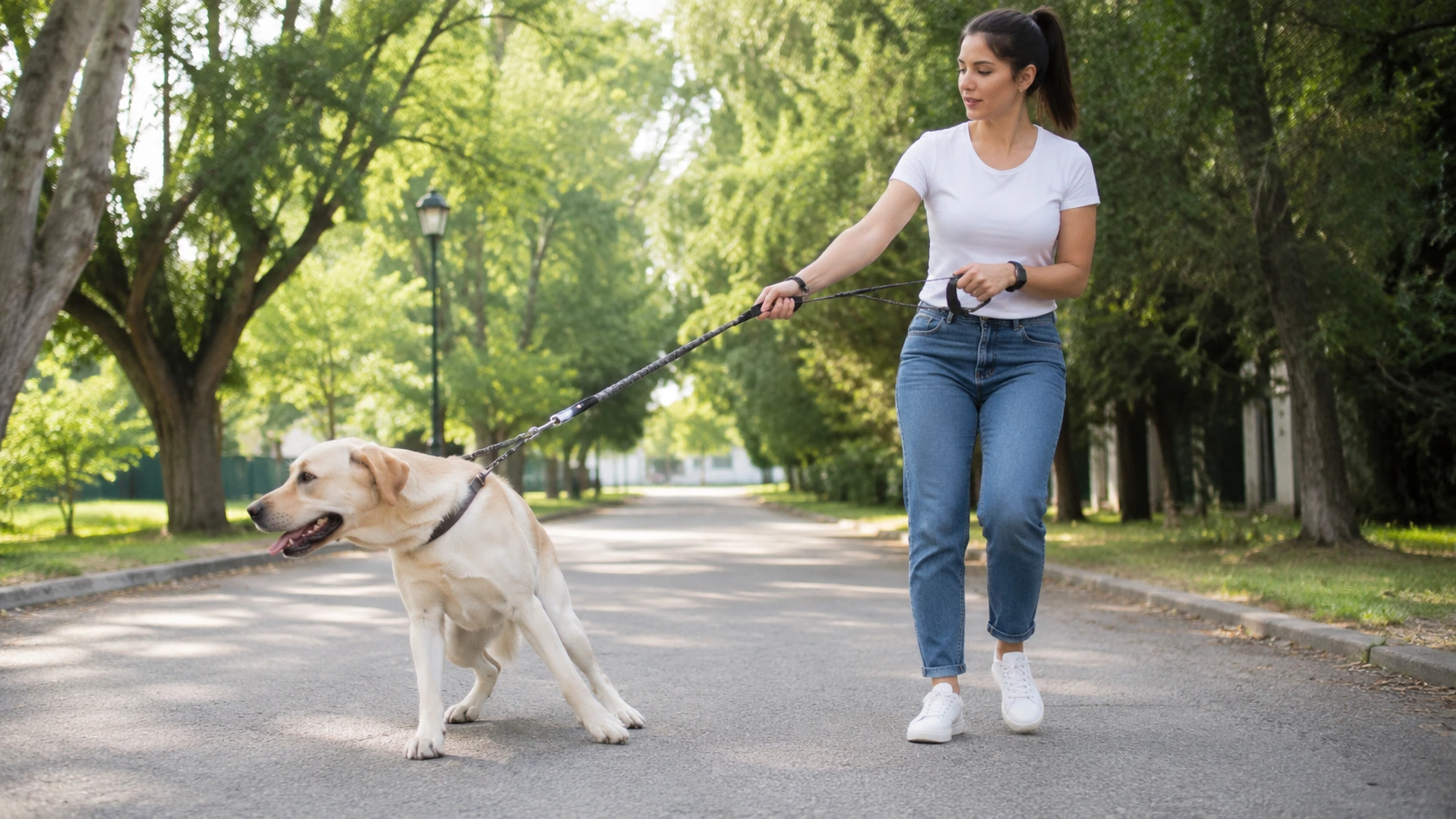
How to Stop Your Dog from Pulling on the Leash
Walking your dog should be enjoyable—not a constant tug-of-war. If your dog pulls on the leash, you're not alone. It's one of the most common challenges dog owners face. The good news? With patience, consistency, and the right training techniques, almost any dog can learn to walk calmly beside you.
Why Do Dogs Pull on the Leash?
Dogs naturally walk faster than humans and are excited to explore the world through their senses.
Common reasons include:
- Excitement
- Curiosity
- Lack of training
- Too much energy
- Trying to reach interesting smells
- Seeing other dogs or people
Pulling is usually a learned habit—not bad behavior.
Choose the Right Equipment
Using the right gear makes training much easier.
Recommended equipment:
- Comfortable harness
- Standard leash (1.5–2 meters / 5–6 feet)
- High-value treats
- Treat pouch
- Clicker (optional)
Avoid retractable leashes during training, as they encourage pulling by constantly rewarding forward movement.
Start Training in a Quiet Area
Choose a place with few distractions.
For example:
- Your backyard
- A quiet street
- A local park during off-peak hours
As your dog improves, gradually introduce busier environments.
Reward Good Walking
Every time your dog walks beside you with a loose leash:
✔ Say "Good!"
✔ Give a treat immediately.
✔ Continue walking.
Dogs repeat behaviors that are rewarded consistently.
Stop When Your Dog Pulls
This simple technique is highly effective.
Whenever your dog pulls:
- Stop walking immediately.
- Stay still.
- Wait until the leash becomes loose.
- Call your dog back to your side.
- Reward and continue walking.
Your dog quickly learns that pulling doesn't move the walk forward.
Change Direction Frequently
If your dog constantly races ahead:
- Turn around unexpectedly.
- Walk in another direction.
- Reward your dog for following you.
This teaches your dog to pay attention to your movements instead of deciding where the walk goes.
Keep Training Sessions Short
Dogs learn best through short, positive sessions.
Aim for:
- 10–15 minutes per session
- Practice several times each week
- End every session on a positive note
Consistency is more important than long training sessions.
Avoid Common Mistakes
Many owners accidentally encourage pulling.
Avoid:
❌ Yanking the leash
❌ Shouting
❌ Punishing your dog
❌ Allowing pulling sometimes but not others
❌ Being inconsistent
Your dog needs clear and predictable rules.
Teach the "Watch Me" Command
Getting your dog's attention makes walking much easier.
Practice at home:
- Hold a treat near your face.
- Say "Watch me."
- Reward eye contact immediately.
- Repeat several times.
Soon your dog will naturally check in with you during walks.
Exercise Before Walks
A dog with too much energy is more likely to pull.
Before training walks, try:
- Fetch
- Tug games
- Short play sessions
- Puzzle toys
Even 15 minutes of exercise can make a big difference.
Be Patient
Leash training takes time.
Some dogs learn within a few weeks.
Others may need several months.
The key is consistency.
Every calm walk builds better habits.
Final Thoughts
Teaching your dog to walk politely on a leash is one of the most valuable skills you can develop together.
Positive reinforcement, patience, and regular practice will help transform stressful walks into enjoyable adventures.
Remember: every successful walk is another step toward a happier relationship with your dog.
🐾 Train Smarter with Only Pets
With Only Pets, you can:
- 🐕 Find professional dog trainers nearby
- 📍 Discover dog-friendly parks and walking routes
- 📅 Track your dog's health and vaccinations
- 👥 Join dog owner communities
- 📖 Learn more with expert pet care articles
Create your free Only Pets account today and enjoy better walks with your best friend.